The Science Behind Salt and Hydration
Discover how different salts affect your body's hydration levels and electrolyte balance.
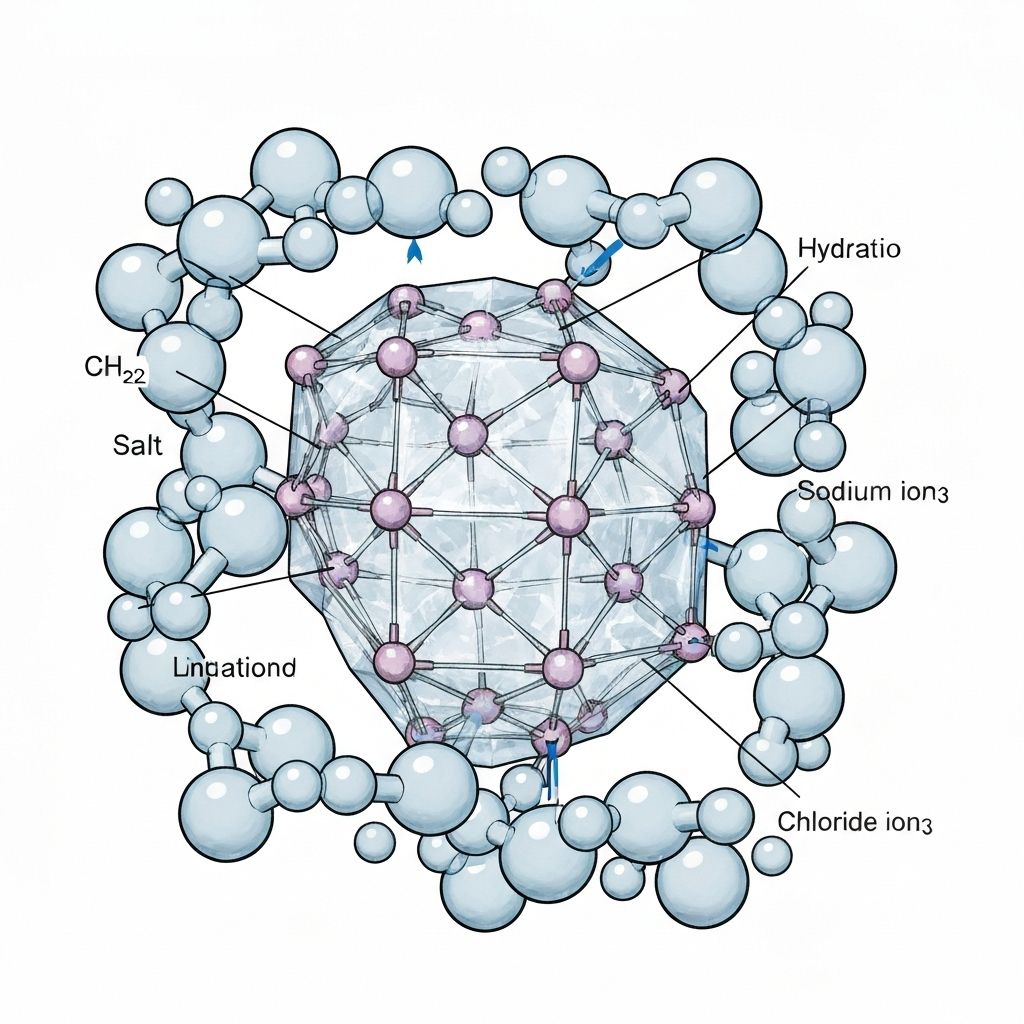
Understanding Electrolyte Balance
Salt plays a crucial role in maintaining proper hydration levels in our bodies. When we consume salt, it helps regulate the balance of fluids both inside and outside our cells. This process, known as osmotic regulation, is fundamental to cellular function and overall health.
How Different Salts Affect Hydration
Not all salts are created equal when it comes to hydration. Here's how different types of salt impact your body's water balance:
Contains 84 trace minerals that work synergistically to support cellular hydration. The mineral profile closely mimics the electrolyte composition of human blood plasma, making it highly effective for maintaining hydration.
Retains natural minerals from seawater, including magnesium and potassium, which are essential for proper muscle function and fluid balance. These minerals help the body retain water more effectively than refined table salt.
While effective for basic sodium needs, refined table salt lacks the supporting minerals found in unrefined salts. This can lead to temporary water retention as the body works to balance the high sodium content.
The Science of Optimal Hydration
Research shows that the ideal sodium-to-water ratio for optimal hydration is approximately 200-300mg of sodium per 8 ounces of water. This ratio helps maximize water absorption in the small intestine while maintaining proper electrolyte balance.
Practical Applications
- Add a pinch of high-quality salt to your morning water for better hydration
- Use unrefined salts in cooking to support natural electrolyte balance
- Consider salt type when preparing sports drinks or recovery beverages
- Monitor your body's response to different salt types and adjust accordingly
Key Takeaways
The type of salt you choose can significantly impact your hydration status. Unrefined salts with natural mineral content tend to support better hydration than highly processed alternatives. However, moderation is key – too much salt of any type can lead to dehydration and other health issues.